
Sports
Spanish soccer player tragically dies after suffering cardiac arrest in on-field collision
By Marcus Chen
Advertisement · Why this ad?
Katherine oversees editorial operations across all six brands. Before joining The Meridan Group, she spent 14 years at the Minneapolis Star Tribune, where she led the metro desk through its digital transformation. She holds a Master's in Journalism from Northwestern's Medill School.
More from Katherine →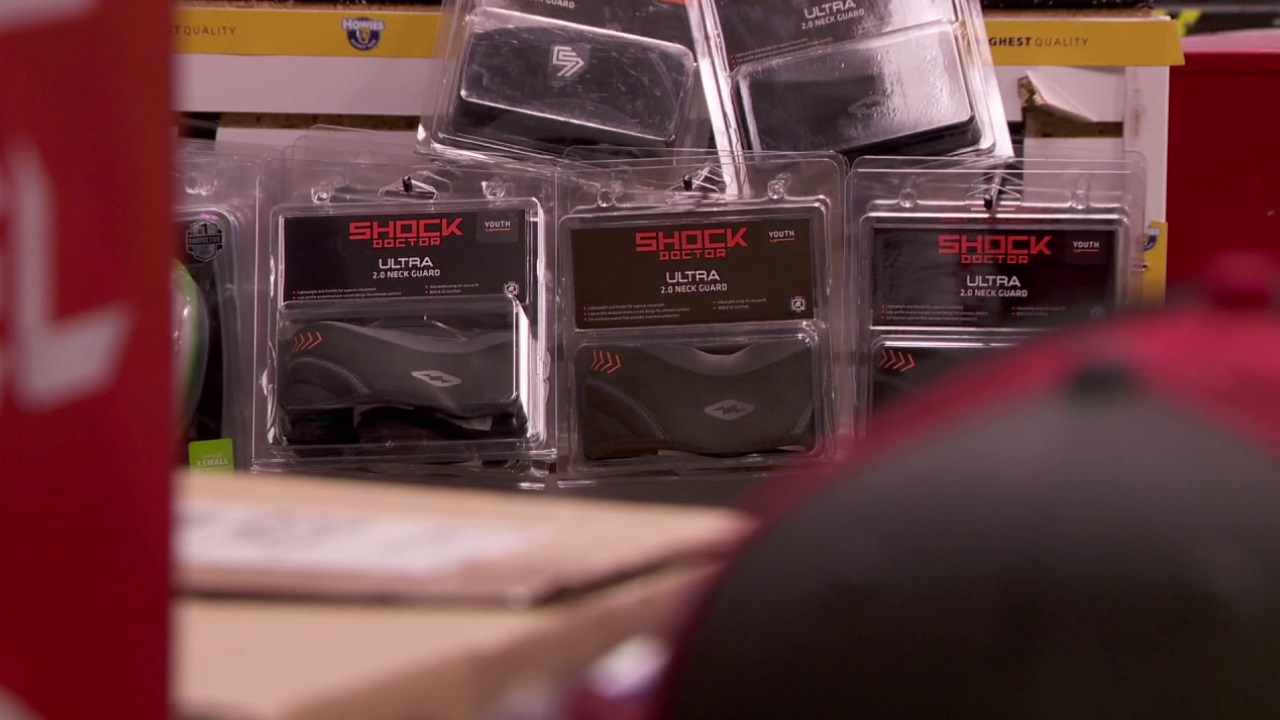
On a quiet winter evening in Edina, a young girl laces up her hockey skates with a quiet determination, unaware that recent safety reforms could shape her future on the ice. The sport she loves, long celebrated for its speed and skill, is now at a pivotal crossroads—one that underscores the importance of protecting its players, especially the most vulnerable. The tragic death of Adam Johnson, a former University of Minnesota-Duluth alum, has cast a long shadow over the hockey community, prompting urgent discussions about safety measures and the enduring value of life-saving equipment.
The Professional Women’s Hockey League (PWHL) announced a series of significant safety updates ahead of its 2026-2027 season, with a focus on neck protection. Effective for the upcoming season, all players—including goaltenders—will be required to wear neck guards that meet the standards set by the American National Safety Institute and the International Safety Equipment Organization. This move aligns with international trends, notably the International Ice Hockey Federation, which mandated neck guards for all participants earlier this year.
The league’s decision underscores a broader commitment to player safety, especially in light of the recent tragedy that claimed Adam Johnson’s life during a game in England. His neck was slashed by an opponent’s skate, a reminder that even in the most controlled environments, the risks of severe injury remain. The new rule mandates a minimum of A4 cut rating protection, designed to guard against the sharp blades and equipment that can cause catastrophic injuries. Officials emphasize that these measures are intended to reduce the risk of serious neck injuries, which have historically been rare but devastating when they occur.
The hockey community in Minnesota and beyond has responded with a renewed sense of urgency and resolve. Families, coaches, and players recognize that while the game is inherently physical, safeguarding athletes is a shared responsibility. The tragic death of Adam Johnson in 2023, which made headlines worldwide, has become a catalyst for change. His family, along with safety advocates, have called for stricter protective gear requirements, emphasizing that no family should endure such loss again.
In Edina, a city known for its strong youth hockey programs and dedicated community support, the news has resonated deeply. Local coaches and parents see the new safety protocols as a vital step forward. “We owe it to our children to do everything we can to keep them safe,” said Emily Carlson, a parent of two youth players. “The league’s move to mandate neck guards shows a commitment to protecting our kids, and that’s what truly matters.”
While safety measures are critical, community members also emphasize the importance of preserving the integrity and spirit of hockey. The league’s recent rule adjustments—such as permitting high-sticking the puck above shoulder height and clarifying body-checking regulations—reflect a nuanced approach to maintaining the game’s competitiveness while prioritizing player well-being. These rules aim to reduce dangerous plays, such as blindside hits and excessive collisions, which can lead to severe injuries or worse.
In Edina, where youth hockey is a pillar of community life, these changes are being embraced with a mix of cautious optimism and resolve. Local coaches, many of whom have coached for decades, understand that evolving safety standards are essential for the sport’s future. They see these reforms as part of a broader effort to teach young players not just skill, but respect and responsibility on the ice. The city’s hockey associations are planning informational sessions to educate parents and players about the new rules, emphasizing that safety enhancements do not diminish the game’s excitement but rather elevate it.
Players and officials are adjusting to these changes, understanding that the evolution of safety protocols is essential for sustainable growth. The league’s testing of new overtime options during preseason scrimmages exemplifies a commitment to innovation, ensuring the game remains exciting yet safe. The allowance for penalty shots during overtime, for instance, offers a fresh strategic element that balances risk with safety, all while keeping the game engaging for fans and players alike.
Looking ahead, the PWHL’s comprehensive approach to safety, combined with community engagement, sets a precedent for other leagues. As families in Edina and across Minnesota watch these developments, they are reminded of the importance of fostering a culture that values both athletic excellence and authentic care for each athlete’s well-being. The league’s actions echo the broader societal values of supporting strong families, committed marriages, and communities united in a common goal: protecting the children and young adults who embody the future of hockey and our nation’s sporting spirit.
In the coming seasons, the hope is that these safety measures will become standard across all levels of play, from youth leagues to professional arenas. Education campaigns, community outreach, and ongoing innovation will be vital in ensuring that every player, coach, and parent understands and embraces the importance of protective gear. As the Edina community continues to rally behind its young athletes, the message is clear: safety and the love of the game can—and must—go hand in hand.
Hockey has deep roots in Minnesota, often called the “State of Hockey,” with thousands of youth, high school, and amateur players taking to rinks across the state every winter. Edina, in particular, boasts a storied hockey tradition, with its youth programs producing numerous collegiate and professional players over the decades. Local legends like Mark Parrish and Natalie Darwitz grew up skating on Edina’s ice, inspiring generations of young athletes.
In recent years, the community has become increasingly aware of the importance of safety gear, partly driven by high-profile incidents such as Johnson’s. The Edina Hockey Association, which oversees youth leagues and development programs, has been proactive in promoting helmet use and proper equipment. Many parents remember the days when safety gear was minimal, and now they see a cultural shift toward comprehensive protection, including neck guards and mouthguards.
Local coaches emphasize that safety isn’t just about equipment but also about education and proper technique. The Edina Hockey Association hosts annual safety clinics, where players learn about body positioning, checking techniques, and recognizing dangerous situations. These initiatives aim to instill a safety-first mindset that will serve players well as they advance through different levels of competition.
Implementation of the new safety regulations is just the beginning. The league will monitor the impact of mandatory neck guards during its preseason and regular season, gathering data on injury rates and player feedback. Local organizations like Minnesota Hockey are expected to follow suit, possibly adopting similar standards for their leagues.
Community leaders and safety advocates are calling for ongoing education campaigns to reinforce the importance of protective gear. Schools, youth clubs, and local sports shops will play vital roles in ensuring that equipment is accessible and properly fitted. The hope is that these efforts will create a lasting safety culture that extends beyond the ice rink.
In Edina, the community’s response will likely include increased advocacy for safety, more youth clinics, and perhaps even memorial initiatives honoring Adam Johnson’s memory—reminding everyone that safety is a collective responsibility. As the league’s policies evolve, so too will the conversations about how best to protect young athletes while nurturing their love for hockey.
Ultimately, the goal is to make hockey safer for everyone, ensuring that future generations can enjoy the sport without fear of preventable injuries. With community support, ongoing innovation, and a shared commitment to safety, Edina and Minnesota are taking meaningful steps toward a safer, more inclusive hockey environment. The community’s resilience and dedication serve as a powerful reminder that protecting our young athletes is a responsibility that transcends the game itself.
By Marcus Chen

By Marcus Chen

By Marcus Chen

By Marcus Chen